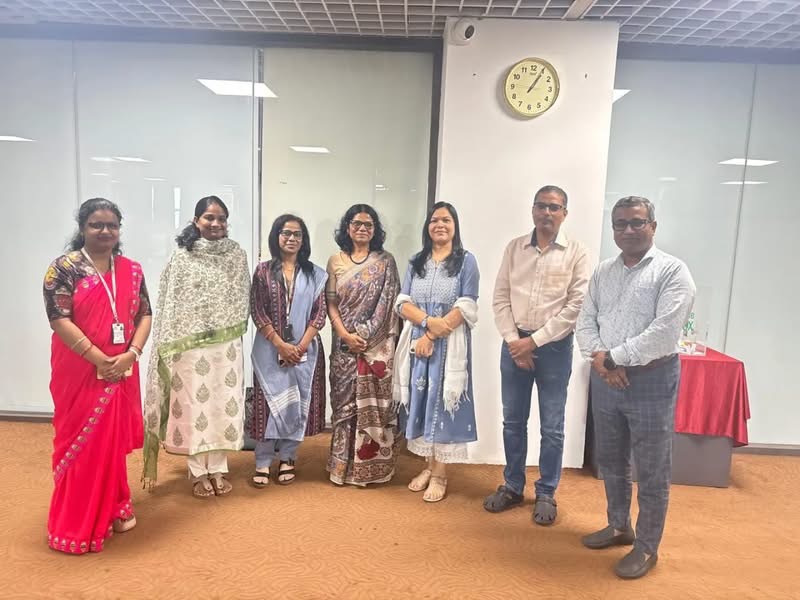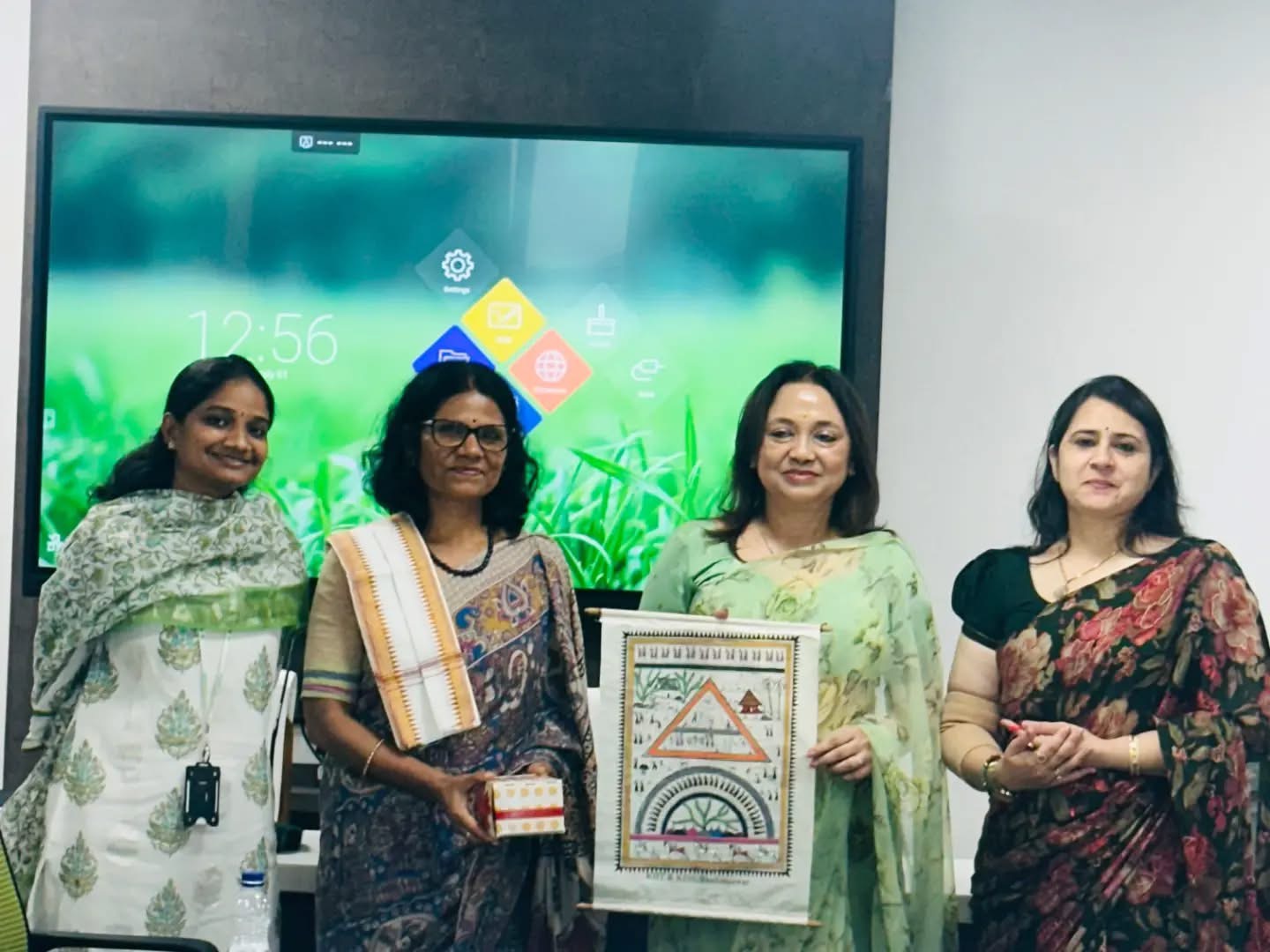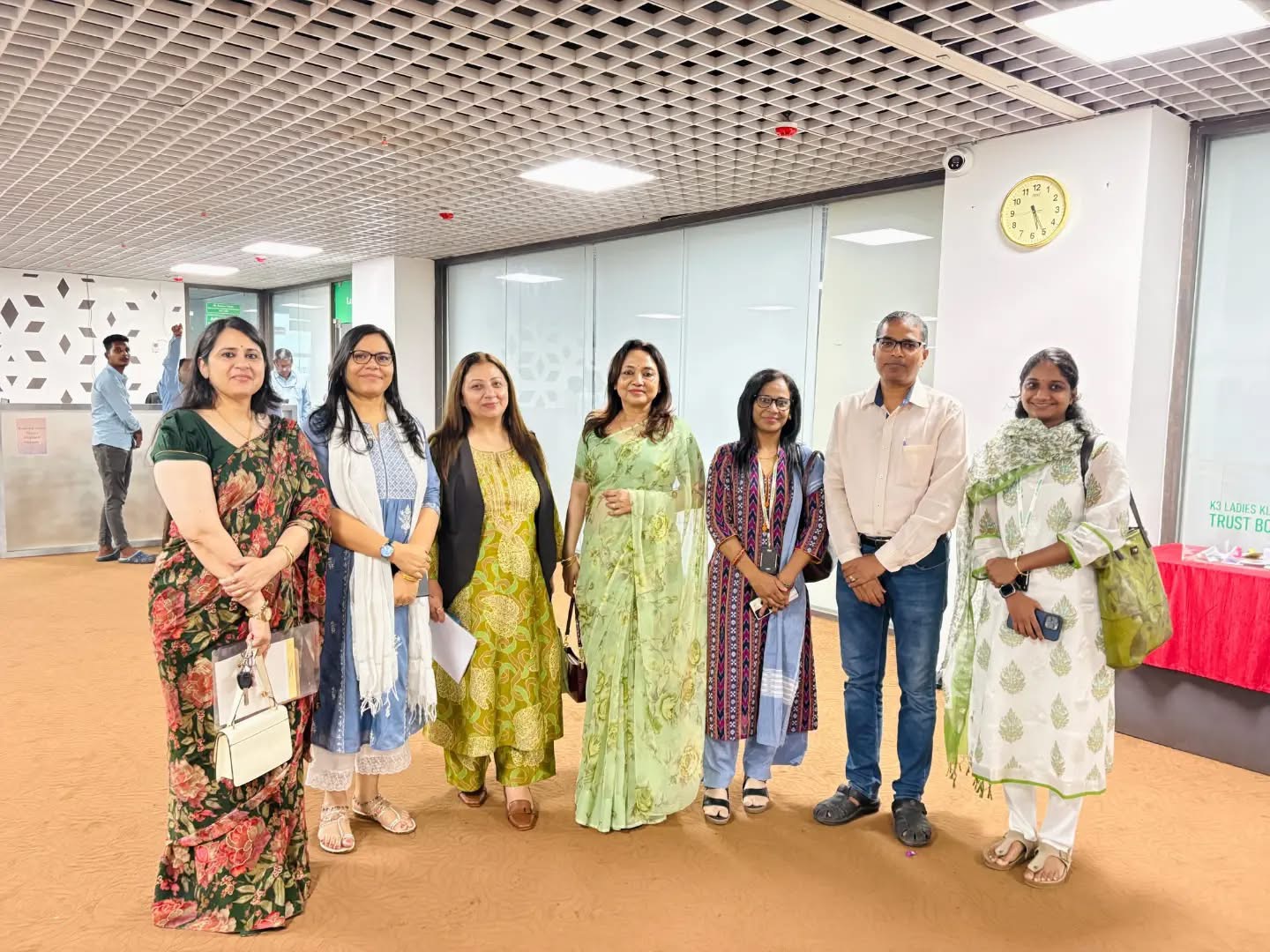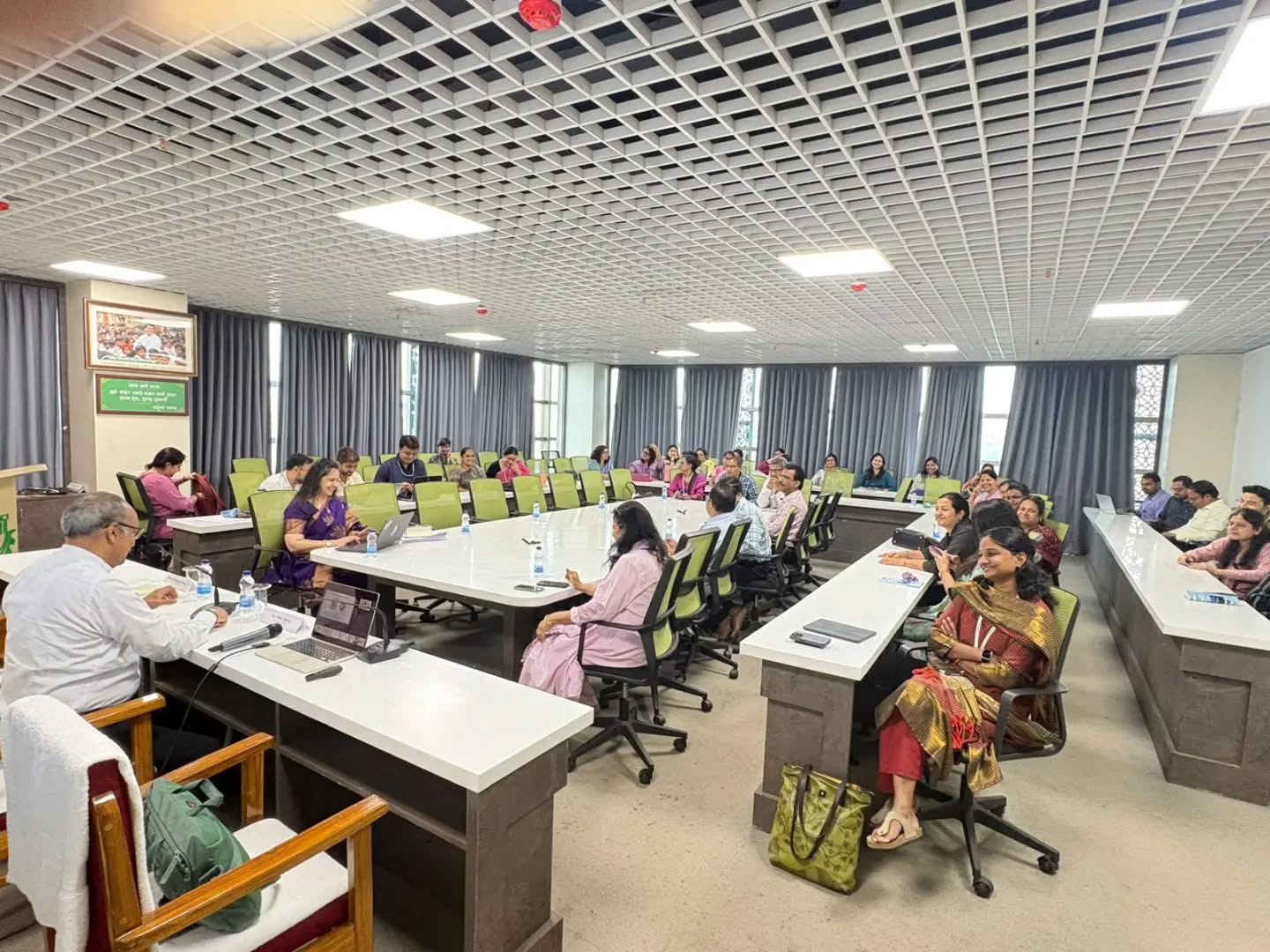

July 1-2, 2026: The KIIT School of Public Health (KSPH) and the KIIT School of Liberal Studies (KSLS) successfully organized the School-level sessions of the KIIT Academic Empowerment Programme (K-AEP) 2026. Anchored to the theme “Redefining Higher Education: Innovation, Mentoring & Stress Management,” the multi-day Faculty Development Programme (FDP) brought together national experts to revamp higher education paradigms, research methodologies, and academic leadership.
Key Technical Highlights
-
Field as a Site of Praxis: Dr. Arima Mishra (Director, School of Development, Azim Premji University) provided critical pedagogical insights on embedding structured field immersions into curricula. Highlighting student reflective journals, she showcased how field experiences build deep empathy, professional judgment, and ethical sensitivity in public health education.
-
Leadership & Emotional Intelligence: Dr. Padmakali Banerjee (Director general, KIIT-DU) led an experiential workshop titled “Lead from the Inside Out.” Faculty engaged in interactive exercises focused on emotional regulation, identifying triggers, and practicing empathetic listening to foster collaborative institutional environments.
-
NEP 2020 & Outcome-Based Education (OBE): Dr. Priti Pandey (Dean, Faculty of Management, Medicap University) discussed the shift toward learner-centric frameworks under NEP 2020. She emphasized utilizing Continuous Quality Improvement (CQI) and SMART goal-setting to align institutional curricula with global graduate attributes.
-
Interdisciplinary Design & Qualitative Research: Dr. Mihir Bholey (Former Principal Faculty, NID Ahmedabad) delivered two profound talks. He introduced the Triple Diamond Framework of Integrated Adaptive Design Thinking to address complex global “wicked problems.” He also unpacked the foundations of qualitative research, tracing its interpretivist roots back to ancient Indian philosophy to guide faculty in mitigating research bias.
The K-AEP 2026 has successfully equipped faculty across both schools with actionable, human-centered frameworks to advance teaching quality, research innovation, and collaborative public health practices.